
Gas Station For Lease by Owner: How to Structure a NNN Lease and Find a Qualified Tenant
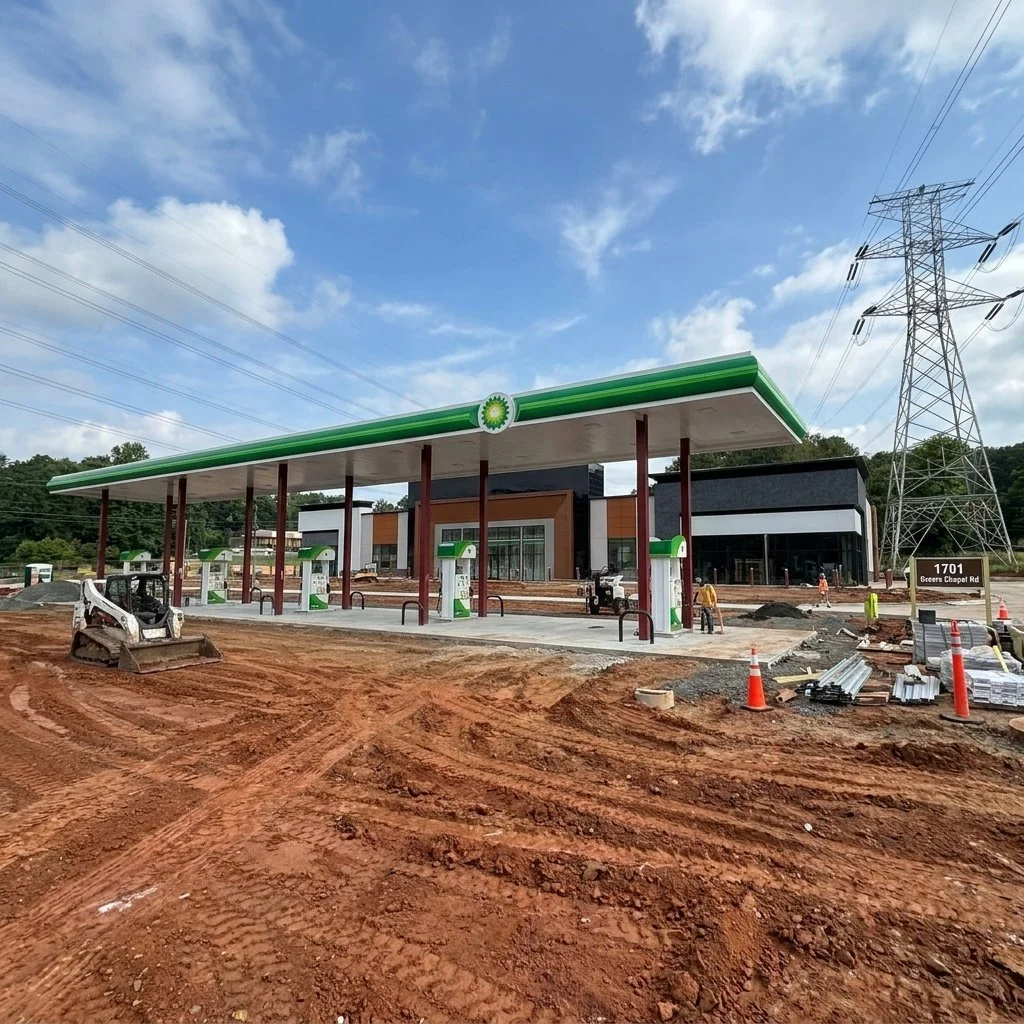
Not every owner who's ready to step back from day-to-day fuel and convenience store operations wants to give up the underlying real estate. For a meaningful share of station owners, the smarter long-term move isn't a sale at all — it's converting an operating business into a passive, income-producing asset by leasing the property to a qualified operator. Done right, a gas station for lease by owner arrangement can deliver 10 to 20 years of predictable, largely hands-off rental income, while the owner retains the appreciation upside of the underlying real estate.
The catch is that a fuel-retail lease is nothing like leasing office space or a retail storefront. It carries environmental liability considerations, equipment ownership questions, fuel-brand and supply-agreement complexity, and financing implications for the tenant that a generic commercial lease template simply doesn't address. Owners who structure this correctly — and who market the space to the right tenant pool — get a stabilized, bankable lease that trades well if they ever decide to sell the real estate down the road. Owners who get it wrong end up with vacancy, deferred maintenance disputes, or a tenant who can't get financed against a poorly drafted lease.
This guide covers how to think through the sell-versus-lease decision, how to structure the lease itself, how to price rent correctly, and how to find and vet a tenant — all without paying a commercial broker's leasing commission.
Why Owners Choose to Lease Instead of Sell
The decision to pursue a gas station for lease structure instead of an outright sale usually comes down to one or more of the following:
Retained appreciation. Real estate in high-traffic corridors tends to appreciate over time, particularly in growing metro markets. An owner who sells gives up that upside entirely; an owner who leases keeps it while still monetizing the asset today.
Passive income without operational risk. Running a fuel and convenience operation is demanding — thin margins, staffing challenges, fuel price volatility, and constant regulatory obligations. A triple-net lease shifts almost all of that operational burden to the tenant, while the owner collects rent.
Tax considerations. An outright sale can trigger a significant capital gains event in a single tax year. Leasing spreads income out over time and preserves optionality — including the ability to sell later, potentially through a 1031 exchange, without the pressure of an immediate transaction.
Family succession and legacy assets. Many independent stations have been in a family for two or three decades. Some owners aren't ready to sell an asset with that much history — but they are ready to stop working the counter or managing daily operations themselves.
If you're weighing this decision against an outright sale, it's worth reading through the broader framework in Sell My Building or Lease It? A Commercial Owner's Decision Guide, which walks through the financial tradeoffs in more depth, and the original pillar guide, How to Sell a Gas Station For Sale by Owner or Lease in 2026, which lays out both paths side by side.
Understanding the Triple-Net (NNN) Lease Structure
The overwhelming majority of gas station and fuel-retail leases are structured as triple-net (NNN) leases, and for good reason — the structure aligns incentives correctly for an asset with significant ongoing maintenance, insurance, and regulatory exposure.
In a NNN lease, the tenant is responsible for:
Property taxes on the leased premises
Building and equipment insurance, often including environmental liability coverage
Maintenance and repairs, including dispensers, canopy, POS systems, and any car wash or quick-service restaurant equipment on site
Utilities and operating expenses
The landlord's obligations are typically limited to structural elements of the building and, critically, underground storage tank (UST) ownership and compliance obligations need to be explicitly assigned in the lease — this is the single most common point of confusion and dispute in fuel-retail leasing, and it's worth getting a commercial real estate attorney to draft or review this section specifically rather than relying on a generic NNN template pulled from a retail strip-mall lease.
Commercial real estate data providers like CoStar track NNN lease comparables and cap rates across fuel-retail and net-lease retail categories, and reviewing comparable cap rates for c-store and gas station NNN leases in your region is a useful benchmark before you set your asking rent — fuel-retail NNN assets often trade and lease at different cap rates than general retail net-lease space, given the specialized nature of the improvements and the environmental liability profile.

Key Lease Terms to Get Right
A fuel-retail NNN lease needs several provisions that a standard commercial lease template won't include by default. Before you market the space or sign anything, make sure the lease addresses:
1. Term length. Most institutional and franchise-affiliated fuel-retail tenants need a minimum lease term — typically 10 to 20 years, often with two or three five-year renewal options — to satisfy their own financing requirements or brand/franchise agreements. A shorter term will materially shrink your qualified tenant pool, since it won't support the financing many operators need to buy into the business or invest in equipment upgrades.
2. UST and environmental liability allocation. Spell out explicitly who owns the tanks, who is responsible for tank registration, testing, and leak-detection compliance, who carries financial assurance coverage, and what happens to environmental liability if contamination is discovered during the lease term versus if it predates the lease. The EPA's underground storage tank program sets the federal compliance floor, but responsibility allocation between landlord and tenant is a contractual matter that needs to be addressed with precision, not left to assumption.
3. Fuel brand and supply agreement rights. If the property carries a major fuel brand and supply agreement, clarify whether the tenant is required to maintain that branding, who bears any de-branding costs or penalties, and what happens if the supply agreement expires mid-lease.
4. Rent structure and escalations. Fixed annual escalations (typically 2% to 3%) or periodic market resets are both common. Some landlords also negotiate a percentage-rent component tied to fuel gallons or inside sales above a specified threshold, which lets the landlord participate in upside if the operator grows the business significantly.
5. Capital improvement and equipment ownership. Clarify who owns dispensers, tanks, canopy, POS systems, and any car wash equipment at lease commencement and at lease end — and who's responsible for capital replacement if equipment reaches end of life mid-term.
6. Assignment and subletting rights, particularly important if the tenant is a multi-unit operator who may want to assign the lease as part of a future sale of their own operating business.
7. Use restrictions and exclusivity, especially if there's a QSR or car wash component that could be operated by a subtenant or franchise partner.
Pricing the Lease: How to Set Rent Correctly
Underpricing a fuel-retail lease is one of the most common — and costly — mistakes independent landlords make, largely because there's no simple public rent-per-square-foot benchmark the way there is for office or general retail space. Fuel-retail rent is typically driven by a combination of:
Land value and location quality — traffic count, visibility, ease of ingress/egress, and proximity to highway access all drive land value, which is the primary determinant of ground rent in a NNN structure.
Comparable cap rates for net-lease fuel and convenience assets in your region, which you can benchmark through commercial real estate data platforms or by reviewing recent transaction data.
Gallons per month potential and inside-sale volume the site can realistically support, which affects how much rent an operator can sustainably pay while still generating an acceptable return on their own operation.
Equipment condition and remaining useful life of tanks, dispensers, and canopy — a site requiring near-term capital investment will command lower rent, or require the landlord to offer a tenant improvement allowance or rent abatement period to offset the tenant's upfront capital cost.
If you're unsure how to benchmark rent for your specific market, it's worth reviewing active listings and recent transactions in the gas station category on Funding My Venture, which gives a real-time view of how comparable properties — both for sale and for lease — are being priced.
Finding a Qualified Tenant
Marketing a gas station for lease by owner, a building for lease by owner, or any specialized commercial space for lease by owner requires reaching a buyer pool that's actually searching for that specific asset type — a generic "for lease" listing on a general commercial real estate site competes with office suites and strip-mall retail space, and won't reach fuel-retail operators efficiently.
To reach a qualified tenant pool without paying a leasing broker's commission:
List on a marketplace built for this asset class. FundingMyVenture's businesses marketplace and its Investor Hub put your listing in front of operators and capital groups specifically searching for fuel-retail opportunities, rather than a generalist commercial audience.
Reach out directly to fuel jobbers and branded suppliers active in your market. Many maintain relationships with operators looking to expand into a new location and can often identify a qualified tenant faster than an open listing.
Target multi-unit convenience operators who may be looking to add a location to an existing footprint — these tenants typically have stronger financials and operating track records than a first-time operator, which reduces your risk as a landlord.
Screen for financing capability early. A tenant needs either sufficient capital or access to equipment and working-capital financing to actually run the business once they take possession. Ask for proof of funds or a financing pre-approval before you invest significant time in lease negotiations.
For owners who want a broader view of how capital and operators are connecting in this sector right now, FundingMyVenture's 2026 guide to where to find investors for your business and its overview of why business owners choose Funding My Venture both cover how sellers and landlords are using the platform to connect with qualified counterparties.
Vetting a Prospective Tenant
Because a fuel-retail lease runs 10 to 20 years and carries real environmental and financial exposure, tenant screening matters more here than in almost any other commercial leasing context. Before signing a letter of intent, request:
Personal and/or business financial statements, and if the tenant is financing equipment or working capital, evidence of pre-qualification
Prior operating experience in fuel retail or convenience store management — lenders underwriting the tenant's business will ask for this too, and it's a reasonable landlord diligence item as well
References from current or prior fuel suppliers or landlords, if applicable
A clear business plan, particularly if the tenant is proposing changes to branding, adding a QSR or car wash component, or making other capital investments
A tenant who can't produce basic financial documentation at the letter-of-intent stage is unlikely to get financed to actually operate the business — better to find that out before you've taken the property off the market for months.
Lease-to-Own and Hybrid Structures
Some owners use a gas station for lease by owner arrangement as a bridge to an eventual sale — structuring a lease with a purchase option or a lease-to-own arrangement that lets a qualified operator build equity and operating history before committing to a full purchase, often financed later through an SBA loan once the operator has a track record at the site. This can be a particularly effective structure in a tighter lending environment, where a first-time buyer may not yet qualify for acquisition financing but can demonstrate operating capability over an initial lease term.
If a purchase option is part of the structure, spell out the purchase price mechanism (fixed price, appraisal-based, or a formula tied to trailing financial performance), the option exercise window, and how any rent credit toward a future purchase price will be calculated — ambiguity here is a common source of dispute later.
What This Means If You Decide to Sell Instead
Even owners who lease their property sometimes reconsider and decide to sell the underlying real estate later — either to the existing tenant, or to a third-party investor who wants a stabilized, leased fuel-retail asset. A gas station for sale by owner with an existing, creditworthy tenant and a long remaining lease term is often more attractive to certain buyer types — particularly passive real estate investors — than a vacant, owner-operated station, because the income stream is already proven and stabilized.
If that's the direction you eventually take, the fundamentals covered in How to Sell a Gas Station For Sale by Owner or Lease in 2026 — valuation, documentation, and targeted marketing — apply directly, with the added advantage of a leased asset's more predictable income profile.
Leasing Other Commercial Space by Owner
The core principles here — structuring the lease correctly, pricing it against real comparables, and marketing it to a targeted tenant pool — apply well beyond fuel retail. Owners looking to lease my building, market a shop for lease by owner, or handle any building for lease by owner situation face the same fundamental challenge: generic listing channels don't reach specialized tenants efficiently, and a lease that isn't structured for the specific use case will suppress both rent and tenant quality. For a broader look at leasing retail and commercial space outside the fuel-retail category specifically, see Shop, Building, or Retail Space For Lease by Owner: A Landlord's Guide.
Frequently Asked Questions
What's a typical lease term for a gas station for lease by owner arrangement? Most fuel-retail NNN leases run 10 to 20 years, often with multiple five-year renewal options. Institutional and franchise-affiliated operators typically need this longer term to satisfy their own financing requirements.
Who's responsible for underground storage tanks in a leased gas station? This must be spelled out explicitly in the lease. In many structures the landlord retains tank ownership and ultimate environmental liability while the tenant handles day-to-day compliance and testing, but allocation varies by deal and should be reviewed by a commercial real estate attorney familiar with fuel-retail leasing.
How is rent priced for a fuel-retail NNN lease? Rent is typically driven by land value, location and traffic quality, comparable cap rates for net-lease fuel-retail assets in the region, and the site's realistic gallons-per-month and inside-sale potential — not a simple price-per-square-foot metric.
Can I lease my gas station without a commercial broker? Yes. Owners who prepare a properly structured lease, price it against real market comparables, and list it on a marketplace that reaches fuel-retail-specific tenants — rather than a generalist commercial listing site — can lease the property directly and avoid a broker's leasing commission.
Should I lease or sell my gas station? It depends on your goals. Leasing preserves real estate appreciation upside and can spread tax exposure over time, while selling provides a lump-sum exit and removes ongoing landlord responsibilities. Many owners use a lease-to-own structure as a middle path.
Whether you're structuring a gas station for lease by owner arrangement, evaluating whether to sell my building or hold it as a leased asset, or simply trying to list my property in front of the right tenant pool, the fundamentals are the same: get the lease structure right, price it against real data, and market it to buyers and tenants who are actually searching for this asset class. Browse active fuel-retail opportunities in the gas station category on Funding My Venture, or connect with qualified operators and capital through the Investor Hub.