
How to Sell a Car Dealership in 2026: Valuation, Structure, and Buyer Pool
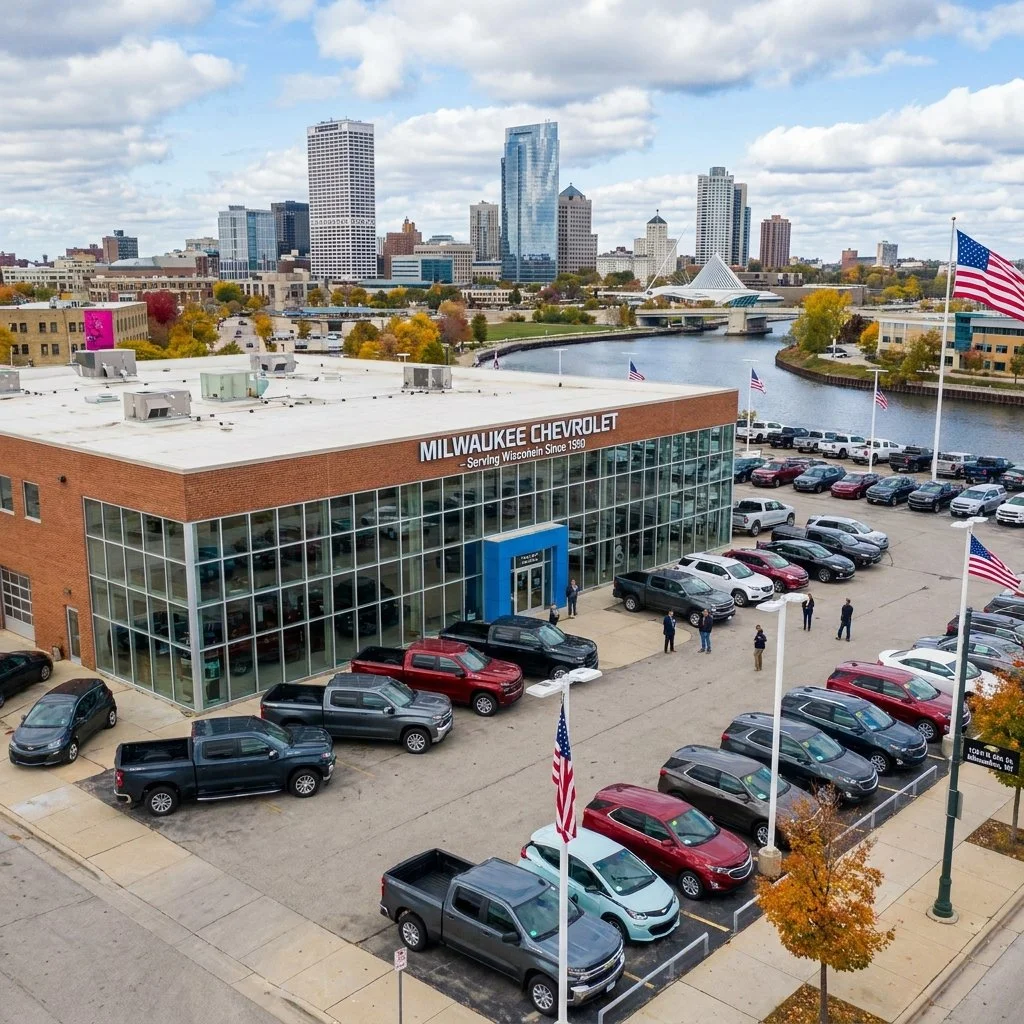
Owners evaluating whether now is the right time to sell a dealership should understand why valuations are where they are.
Dealership transaction volume just hit a record.
Owners who understand how buyers actually price a dealership — real estate, goodwill, and inventory as three distinct components — are the ones capturing the full value of a historically strong market.
The auto dealership buy-sell market is not cooling off in 2026 — it's accelerating. Trailing twelve-month transaction volume hit 478 deals through the first quarter, the highest level ever recorded and more than double the pre-pandemic five-year average, according to Kerrigan Advisors' Q1 2026 Blue Sky Report. Multi-dealership transactions climbed 36% year-over-year, and the Kerrigan Blue Sky Index — a measure of dealership valuation multiples — sat 78% above 2019 levels. Separately, Haig Partners' Q2 2026 Haig Report put the average blue sky value of a publicly owned dealership at $18.2 million over the trailing twelve months, more than double the 2019 average of $8.3 million, even as it eased modestly from 2025's full-year peak of $19.0 million.
That's the backdrop for any owner asking how to sell a car dealership this year. It's a market with deep buyer demand, well-capitalized consolidators paying record sums per acquisition, and — critically — a wide enough range of buyer types that owners no longer have to rely exclusively on a handful of regional dealer groups to find a transaction partner.
But selling a dealership is a fundamentally different process than selling most small businesses, or even most commercial real estate. It involves three distinct value components, a regulatory approval layer most other business sales don't have, and a buyer pool that ranges from individual operators to publicly traded consolidators spending close to $200 million per acquisition on average. Here's how to navigate all of it.
The Three Components of a Dealership Sale
Before you can price a car dealership for sale, you need to separate what you're actually selling into its component parts. Conflating them — treating the transaction as a single lump-sum number — is the single most common mistake first-time sellers make, and it almost always costs them money at the negotiating table.
1. Real Estate
The land and buildings underneath the dealership: showroom, service department, parts warehouse, lot space, and any ancillary structures. This is valued the way any specialized commercial real estate is valued — through comparable sales, replacement cost, and income analysis if the property will be leased back to the buyer post-sale. Location, traffic count, land-to-building ratio, and manufacturer image-program compliance all move this number meaningfully.
2. Blue Sky (Goodwill)
"Blue sky" is industry shorthand for the intangible value of the operating business — the franchise rights, customer relationships, trained staff, brand equity, and earnings power that exist independent of the real estate or the physical inventory. Blue sky is typically expressed as a multiple of the dealership's normalized earnings (often adjusted EBITDA), and that multiple varies enormously by brand. Both Haig Partners and Kerrigan Advisors, the two firms that publish the industry's most closely watched valuation benchmarks, report that top-performing franchises like Toyota and Lexus are currently commanding record blue sky multiples, while other brands have seen their ranges compressed. If you're trying to sell my dealership and you don't know where your specific franchise currently sits on that spectrum, you're negotiating blind.
3. Inventory
New and used vehicle inventory, parts inventory, and shop equipment are typically transacted separately from the real estate and blue sky value — often at cost, or at an agreed value determined by physical inspection near closing. Floor-plan financing arrangements with the manufacturer or a lender also need to be addressed and typically paid off or assumed as part of closing.
Treating these three components separately — and understanding which one is driving (or dragging down) your total valuation — is the foundation of a well-negotiated exit.
Why Blue Sky Values Are Elevated Right Now
Owners evaluating whether now is the right time to sell a dealership should understand why valuations are where they are. A few forces are driving the current environment:
Fixed operations are propping up earnings even as new-vehicle margins compress. Haig Partners reported that new-vehicle gross profit per unit fell nearly 16% year-over-year in the second quarter of 2026, while fixed operations — service, parts, and body work — grew and served as a critical profitability anchor. Buyers are increasingly underwriting dealerships based on the resilience of the service department, not just showroom throughput.
Consolidators are paying record sums for scale. Public dealer groups' average acquisition purchase price per dealership rose to nearly $200 million in early 2026, per Kerrigan Advisors — a figure driven heavily by an uptick in multi-dealership transactions, where buyers acquire several stores from a single group in one transaction.
Top-tier franchises are seeing record valuations, while others normalize. Both major buy-sell advisory firms — Haig Partners and Kerrigan Advisors — note that brand matters more than at almost any point in recent history. A car dealer for sale with a top-tier import franchise is being priced in a very different market than one with a franchise facing headwinds.
Inventory levels have normalized. Days'-supply levels are running below the five-year average as of mid-2026, which supports healthier margins and cleaner balance sheets heading into a sale process — a meaningfully different environment than the inventory-constrained years immediately following the pandemic.
None of this means every dealership sale closes at a premium. Average quarterly dealership profits actually declined modestly year-over-year even as blue sky multiples stayed elevated — a reminder that valuation is brand- and market-specific, not a rising tide that lifts every store equally.
Getting a Real Valuation Before You List
If you're serious about how to sell my dealership, resist the urge to anchor on an industry-average headline number. A $18 million average blue sky figure is exactly that — an average across a wide range of brands, markets, and store sizes. Your specific number depends on:
Trailing 12-month normalized earnings, adjusted for owner compensation, one-time expenses, and related-party transactions that a buyer's accountant will strip out during due diligence.
Franchise brand and current blue sky multiple range for that brand, which shifts quarter to quarter based on OEM performance, consumer demand, and manufacturer relations.
Facility condition and image-program compliance, since a facility requiring significant capital investment to meet current manufacturer standards will be priced accordingly by a buyer factoring that cost into their offer.
Market and real estate value independent of the business, since two identically performing dealerships in different metros can have dramatically different real estate components.
Absorption rate — the percentage of total dealership overhead covered by fixed operations gross profit alone — which sophisticated buyers treat as one of the clearest single indicators of a store's downside resilience.
Getting an independent valuation from a firm that specializes in dealership transactions, rather than relying solely on a general business broker or commercial real estate appraiser, is worth the cost. The specialized buy-sell advisory firms that publish quarterly blue sky reports also perform individual dealership valuations, and even if you don't retain one for the full sale process, a benchmarking conversation early on will keep your asking price grounded in reality.
Structuring the Deal: Asset Sale vs. Stock Sale
Every dealership sale has to resolve a foundational structural question: is this an asset sale or a stock (equity) sale? The answer has significant tax consequences and should be discussed with a CPA or M&A attorney before you set an asking price, because after-tax proceeds — not the headline number — are what you actually keep.
Asset sales are more common in dealership transactions. The buyer purchases specific assets (real estate, inventory, equipment, franchise rights) and typically forms a new legal entity to operate the store, leaving certain liabilities behind with the seller's original entity. Buyers generally prefer this structure because it limits their exposure to unknown legacy liabilities.
Stock sales transfer ownership of the entire legal entity, including all its liabilities — known and unknown. Sellers sometimes prefer this structure for tax reasons (potential capital gains treatment on the full sale), but buyers often demand a purchase price discount, additional representations and warranties, or escrow holdbacks to compensate for the added risk they're assuming.
Whichever structure you land on, expect the buyer's diligence team to scrutinize warranty and recall exposure, floor-plan financing terms, employee benefit obligations, and any pending litigation — all of which factor into how the deal gets structured and priced.
The Manufacturer Approval Process
This is the step that separates selling a car dealership from selling almost any other kind of business, and it's one first-time sellers consistently underestimate. Because you don't own the franchise outright — you operate under a dealer agreement with the manufacturer — any change of ownership requires factory approval.
That process typically involves:
Submitting the buyer for manufacturer review, including their financial qualifications, industry experience, and often a personal interview with regional or zone management.
Facility compliance review, where the manufacturer confirms the buyer intends to maintain (or is willing to invest in bringing the facility up to) current image-program standards.
Right of first refusal, which many manufacturers reserve — meaning the factory itself, or a buyer it designates, can step in and match the terms of your negotiated deal.
Formal approval, which can take anywhere from 30 to 90-plus days depending on the manufacturer and the complexity of the buyer's application.
Owners exploring dealer for sale by owner routes sometimes assume that selling directly, without a broker, means bypassing this process. It doesn't. The manufacturer approval requirement exists independent of how you found your buyer, and building the timeline into your expectations from the outset prevents a signed letter of intent from stalling for months while you wait on factory sign-off.
Where to Find Buyers for a Dealership
The buyer pool for a car dealership for sale in 2026 is broader and more active than at almost any point in the industry's history, spanning several distinct categories:
Public and large private dealer groups, who are the primary drivers of the record acquisition spending noted above and are actively seeking both single-point and multi-store acquisitions.
Individual operators and first-time dealer-principals, often existing general managers or industry veterans looking to own their own store, frequently financed through SBA or conventional dealer-floor-plan lending.
Private equity-backed platforms, which have expanded their presence in auto retail significantly over the past several years and bring institutional capital and professional management to acquisitions.
Out-of-market buyers relocating or expanding into new geographies, particularly active in high-growth Sun Belt and Southeast markets.
Reaching this full spectrum of buyers — rather than relying on word-of-mouth within a single regional network — is where a lot of sellers leave value on the table. Listing your opportunity on a marketplace built to connect sellers directly with a wide investor and operator base, such as the Funding My Venture businesses marketplace and its dedicated Automotive category, extends your reach well beyond who happens to already know you're considering an exit.
Sell My Dealership By Owner: What Changes
An increasing number of owners are choosing to list a dealership for sale by owner rather than signing an exclusive agreement with a traditional business broker, largely to avoid a commission that — on a multimillion-dollar transaction — can easily run into six or seven figures.
Selling by owner doesn't mean going it entirely alone. It means:
You control buyer outreach and negotiation directly, rather than having a broker filter and manage every conversation.
You still need the same due diligence package a broker would assemble: trailing financials, franchise agreement, facility condition report, and environmental documentation.
You still navigate manufacturer approval yourself (or with your attorney), since that process is between you, the buyer, and the manufacturer regardless of who found the buyer.
You need a listing strategy that reaches serious, qualified buyers — dealer groups and individual operators actively searching for a dealership for sale by owner or dealer for sale don't find those opportunities by accident; they search specific marketplaces and networks built for that purpose.
The tradeoff is time and effort in exchange for keeping the proceeds that would otherwise go to a broker's commission — a trade a growing share of sellers are making as direct-listing platforms have matured.
Financing the Buyer's Side
Even a highly motivated buyer can't close without capital, and understanding how your buyer pool is likely to finance an acquisition makes you a more effective negotiator. Financing sources for dealership acquisitions typically include:
SBA 7(a) loans, commonly used by individual operators and first-time dealer-principals, subject to SBA size standards and franchise eligibility requirements.
Conventional acquisition financing through banks with dedicated dealer-services or floor-plan lending divisions.
Private equity and institutional capital, increasingly active in larger transactions and multi-store platform acquisitions.
Seller financing, which can bridge a valuation gap, ease a buyer's underwriting requirements, and — when structured with appropriate security and guarantees — can make your dealership meaningfully more attractive to a broader set of buyers than an all-cash requirement would.
If you're unfamiliar with how the current capital landscape looks for a buyer stepping into a deal like yours, reviewing a resource like the 2026 guide to where you can find investors for your business is worth doing even as a seller — it helps you speak knowledgeably to financing questions during negotiations and can help you point a promising but under-capitalized buyer toward resources through the Funding My Venture investor hub and its broader funding solutions.
A Realistic Timeline
Selling a car dealership is not a fast process, even in an active market. A realistic timeline runs:
Valuation and preparation (4–8 weeks): Get financials reviewed and normalized, gather due diligence materials, and benchmark your blue sky expectations against current brand-specific multiples.
Marketing and buyer outreach (4–12 weeks): List the opportunity, field inquiries, and narrow to serious, qualified buyers.
Negotiation and letter of intent (2–6 weeks): Agree on price, structure (asset vs. stock), and key contingencies.
Buyer due diligence (4–8 weeks): Financial, legal, environmental, and facility review.
Manufacturer approval (4–13 weeks): Often running in parallel with buyer due diligence but capable of extending the overall timeline if it starts late.
Closing: Final documentation, inventory reconciliation, and transition planning.
End to end, most dealership sales run six months to a year from initial decision to closed transaction — longer for complex multi-store deals or franchises with more involved approval processes.
Common Valuation Mistakes Sellers Make
Anchoring to industry-average blue sky figures instead of getting a brand- and market-specific benchmark.
Ignoring the real estate component entirely, either underpricing valuable land or failing to separate its value from blue sky in negotiations.
Presenting unadjusted financials, forcing every buyer's team to do the normalization work themselves — and often arriving at a more conservative number than you would have if you'd presented adjusted figures with clear explanations up front.
Underestimating the manufacturer approval timeline and setting unrealistic closing expectations with the buyer.
Limiting the buyer search to a narrow local or regional network, missing out-of-market consolidators and private capital actively looking to deploy into automotive real estate and operating businesses right now, as detailed in why automotive properties are in high demand among real estate investors.
Selling the Real Estate Separately
Not every dealership sale includes the real estate. Some owners prefer to sell the operating business while retaining ownership of the land and building, then lease the facility back to the new operator — a sale-leaseback structure that provides ongoing rental income and, often, more favorable overall tax treatment than a combined sale. If that's your preference, it's worth reviewing our companion guide on how to list a dealership for lease, which walks through NNN lease structuring, term length, and how to find qualified institutional tenants for automotive real estate specifically.
Learning From Comparable Transactions
Reviewing how similar automotive operations are positioned in the market — their financial disclosures, facility details, and listing structure — is one of the fastest ways to benchmark your own sale process. Listings like Billings Auto Service Center, Elite Fleet Services, and Precision Auto Performance Group illustrate the range of automotive operating businesses currently coming to market and the level of financial and operational detail serious buyers expect to see.
A Dealership Sale Is Really Three Listings in One
It's worth stepping back to recognize something most first-time sellers miss: when you decide to sell a car dealership, you are simultaneously running what amounts to a property listing, a business listing, and — in some structures — a lease negotiation, all under one transaction. Thinking about it this way changes how you prepare and where you look for buyers.
The property side. At its core, a dealership sale includes a decision to sell my building or sell a building outright, or alternatively to lease my building back to the operating buyer under a sale-leaseback. Owners who'd rather list a property than bundle the real estate into the business sale should treat that piece the way any commercial real estate seller would: get it appraised independently, and don't let blue sky negotiations distort what the land and buildings are actually worth. If you decide to retain the real estate and become a landlord to the new operator, you're effectively creating a dealership for lease by owner or, more specifically, a car dealership for lease arrangement — and it should be documented and negotiated with the same rigor as a standalone commercial lease, including rent escalations, maintenance responsibilities, and renewal terms.
The business side. Separately, you are working to sell my business — specifically, a business for sale by owner in every sense that matters for negotiation and marketing purposes, even if you ultimately use listing tools or advisory support to reach buyers. If speed matters to you — because of retirement timing, health, or a partnership transition — the same principles that apply to any owner trying to sell my business fast apply here: clean financials, a realistic asking price from day one, and access to a pre-qualified buyer pool rather than starting from a cold list.
The listing itself. Whether you ultimately structure the transaction as a sale of real estate, a sale of the operating business, or a combination of both, how and where you list it materially affects your outcome. Owners searching for guidance on how to list my business, list my business for sale, or more broadly how to list a property understand instinctively that a listing's reach determines its competitive tension — and competitive tension is what turns a fair offer into your best offer.
This is also why sellers exploring a car dealer for lease structure, rather than an outright sale, should study how independent operators handle a shop for lease by owner or a building for lease by owner listing — the same due diligence package (zoning confirmation, environmental status, traffic and demographic data) applies whether you're leasing a full dealership campus or a single service bay facility. And for owners weighing whether to sell my property near me to a local buyer versus casting a wider net regionally or nationally, the data above should settle the question: with public dealer groups spending close to $200 million per acquisition on average and multi-dealership deals up sharply year-over-year, the highest and best offer for a well-run store is rarely the one sitting closest to home.
Why the Marketplace You List On Matters
A car dealer for sale listed only through word-of-mouth or a single regional broker relationship reaches a fraction of the buyer pool now active in this market. Given that public dealer groups alone are deploying close to $200 million per acquisition on average, and that transaction volume just hit an all-time high, the cost of under-marketing your dealership has never been higher in terms of lost competitive tension between potential buyers.
Owners increasingly understand this. Resources like why business owners choose Funding My Venture and why Funding My Venture is the best online community for founders and entrepreneurs explain why sellers are consolidating their search for buyers — and their own due diligence on financing options — around a single, purpose-built marketplace rather than a patchwork of brokers, classifieds, and cold outreach.
Beyond the Franchise Store: The Broader Automotive Real Estate Picture
Everything above applies just as directly to owners outside the franchised dealership world. Investors and operators who list automotive properties for lease by owner or automotive properties for sale by owner — quick-lubes, tire centers, fleet maintenance yards, independent repair shops — are competing for the same pool of automotive-focused capital described in this article, just at a different scale. If your ultimate goal is simply to list my property, sell my property, or sell my building online without the added layers of a franchise agreement and manufacturer approval, the process is considerably faster, though the same fundamentals apply: know your real estate value independent of your operating business, prepare clean financials before you go to market, and list where buyers searching business for sale by owner near me are actually looking.
The Bottom Line
Selling a dealership in 2026 means selling into one of the strongest buy-sell markets the industry has ever recorded — but strong market conditions reward preparation, not luck. Owners who separate real estate, blue sky, and inventory into distinct, well-documented values; understand where their specific franchise sits in the current valuation landscape; and reach the full breadth of today's buyer pool — from individual operators to record-spending consolidators — are the ones capturing the full upside of this cycle. Owners who list vaguely, price off industry averages, or limit their search to a narrow local network are the ones leaving money on the table in a market that's actively rewarding sellers who do this right.
This is the second in a 15-part series on listing and selling automotive real estate and dealership businesses in 2026. Read the series from the beginning: How to List Automotive Properties for Lease and For Sale in 2026. Explore active listings at Funding My Venture.